Recipe
Ayurvedic Healing Porridge: Kitchari Recipe
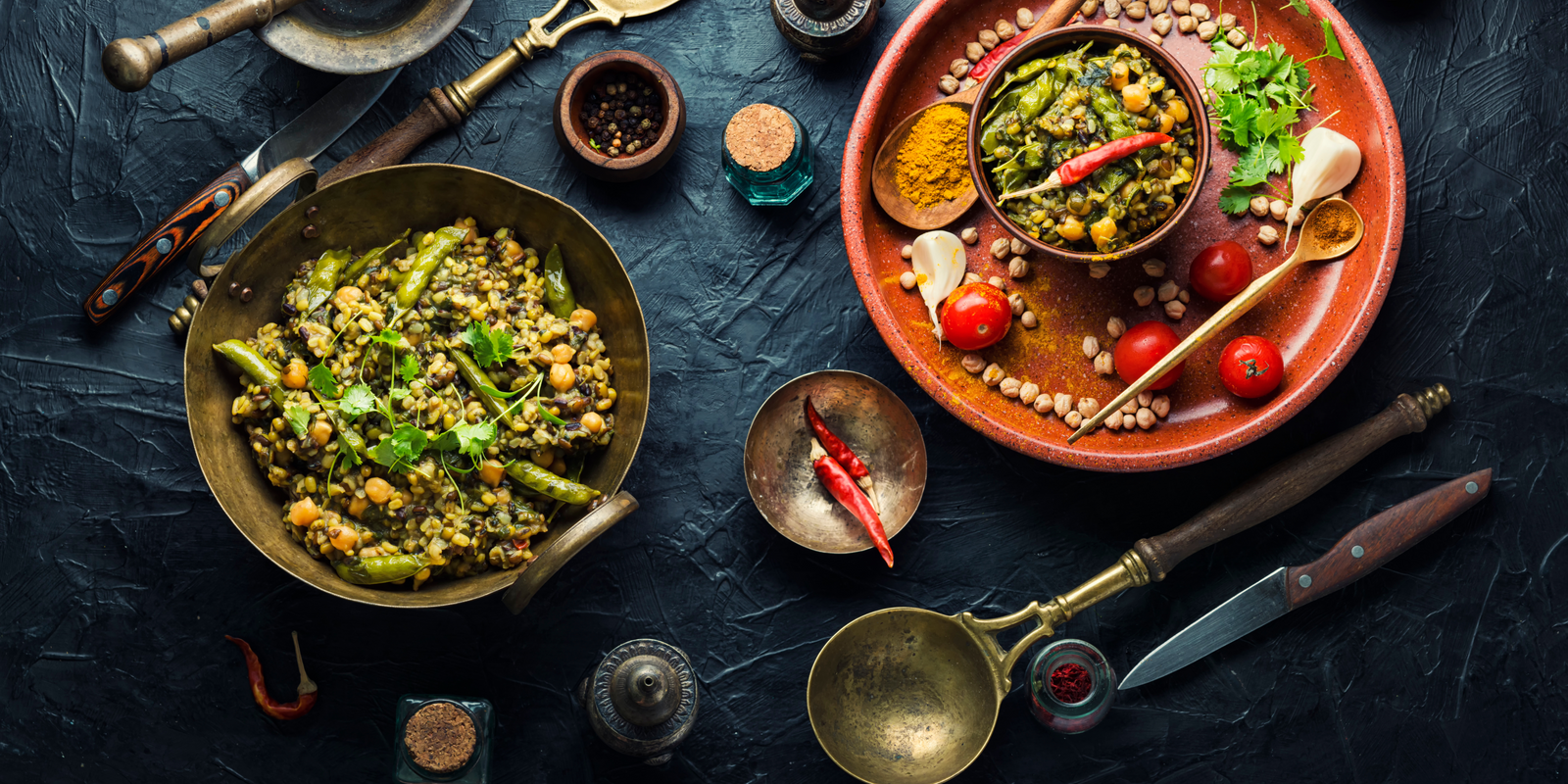
For thousands of years, kitchari has been a cornerstone of Ayurveda, the traditional system of medicine that originated in India more than 5,000 years ago. Made from split mung dal, basmati rice, warming spices, and seasonal vegetables, this simple one-pot meal is prized for being both deeply nourishing and easy to digest.
In Ayurveda, kitchari is often enjoyed during periods of rest, cleansing, or recovery because it provides complete nutrition while giving the digestive system a break. Its gentle ingredients and healing spices are believed to help support healthy digestion, improve nutrient absorption, and encourage the body's natural detoxification processes, leaving you feeling nourished, balanced, and restored.
Note: Traditionally, kitchari does not include garlic and onion, and if your digestion is particularly sensitive, you may omit them. However, if you tolerate them well, it is beneficial to include all three garlic, onion, and ginger, also referred to as “trinity root,” as they provide excellent flavor and support overall health.
Ingredients
- 2 tablespoons ghee, avocado oil, or coconut oil
- 1/2 small yellow onion, finely diced (optional for sensitive digestion)
- 1-3 cloves garlic, minced (optional for sensitive digestion)
- 1 tablespoon fresh ginger, grated or finely minced
- 1 teaspoon ground cumin
- 1 teaspoon ground turmeric
- ½ teaspoon ground coriander
- ¼ teaspoon ground black pepper
- 1 cup split yellow mung dal
- 1 cup white basmati rice
- 8 cups vegetable broth or water
- 1 teaspoon sea salt, plus more to taste
- 2 cups chopped vegetables, such as carrots, zucchini, spinach, kale, green beans, or cauliflower
-
Optional toppings:
- Lemon wedges
- Fresh cilantro, chopped
- Nutritional yeast flakes
- Sliced avocado
Instructions
1. Rinse the rice and mung dal: Place the rice and split mung dal in a fine-mesh strainer and rinse under cool running water until the water runs mostly clear. Drain well.
2. Cook the aromatics: Heat the ghee or oil in a large pot or Dutch oven over medium heat. Add the onion, garlic, and ginger. Cook for 5 to 7 minutes, stirring frequently, until the onion is soft and translucent. Avoid letting the garlic brown.
3. Add the spices: Stir in the ground cumin, turmeric, coriander, and black pepper. Cook for 30 to 60 seconds, stirring constantly, until the spices become fragrant.
4. Add the rice and mung dal: Add the rinsed rice and mung dal to the pot. Stir for about 1 minute to coat everything evenly with the oil and spices.
5. Simmer: Pour in the vegetable broth or water and stir in the salt. Increase the heat and bring the mixture to a gentle boil. Once boiling, reduce the heat to low, cover with the lid slightly ajar, and simmer for 20 minutes.
6. Add the vegetables: Stir in the chopped vegetables, but if adding leafy greens or other veggies that cook quickly, wait about another 10 minutes to add those. Continue simmering, partially covered, for another 10 to 15 minutes, or until the rice and mung dal are very soft and creamy and the vegetables are tender.
7. Check consistency: If the kitchari becomes too thick, stir in ½ to 1 cup of additional hot water until it reaches your preferred consistency.
8. Finish and serve: Taste and adjust the seasoning with additional salt if needed.
If desired, stir in the lemon juice just before serving and garnish with fresh cilantro, nutritional yeast flakes, and avocado slices. Serve warm.
Tips for Success
- The finished kitchari should be soft and creamy, similar to a thick porridge or stew.
- Leafy greens like spinach or kale should be added during the last 3 to 5 minutes of cooking so they stay bright and tender.
- Leftovers will continue to thicken in the refrigerator. Add a splash of water or broth when reheating.
- For extra richness and flavor, drizzle each serving with a teaspoon of melted ghee or extra-virgin olive oil before serving.
- If using kitchari to reset the gut, many do a 1-3 day "kitchari cleanse:” oatmeal or a smoothie in the morning, and kitchari for lunch and dinner.