Dr. Dharma's Blog
Dr. Dharma's Kitchari Recipe
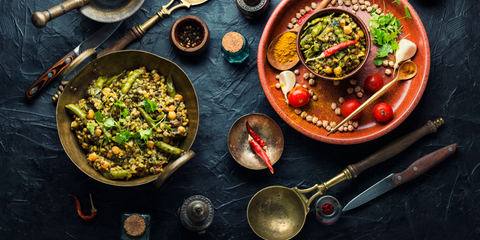
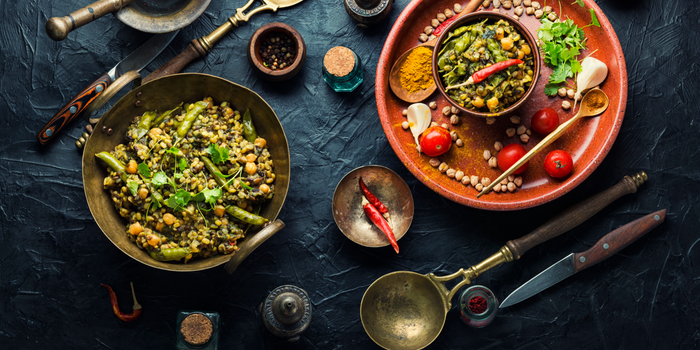
There is a bowl Dr. Dharma returns to again and again — humble, golden, and quietly satisfying. It is kitchari: a simple porridge of mung beans and rice that has been part of Ayurvedic kitchens for thousands of years. He has cooked it, taught it, and eaten it for decades, and it remains one of the most comforting things he knows how to make.
Why he keeps coming back to it
Dr. Dharma's first foundation is a simple one: food is medicine. Not fuel to be rushed through, but something closer to information — a message you send your body several times a day.
Kitchari is his answer to the days when that message should be an easy one. Because the beans and rice are cooked slowly until soft, the dish is gentle and easy to digest — and that is exactly the point. When a meal asks very little of the digestion, Dr. Dharma teaches, the body is free to simply settle and rest.
He often suggests eating it on its own for a stretch of days — a plain, comforting reset you can return to whenever life has been rich and full. It is a practice rooted in his belief that lasting change is built slowly, a day at a time.
It takes forty days to ingrain a change in your being.
The golden spice at its heart
The color of kitchari comes from turmeric, the warming golden spice long treasured in Ayurvedic cooking. Dr. Dharma pairs it, as tradition does, with a little black pepper and a spoonful of ghee or good oil — a small step that helps the body take up curcumin, the compound that gives turmeric both its color and much of its reputation.
Dr. Dharma's Mung Beans & Rice
Makes about 8 servings.
The base
- 1 cup mung beans, soaked overnight
- 1 cup basmati rice
- 9 cups water
- 2 bay leaves
- 1-inch piece of kombu seaweed (adds minerals; optional if hard to find)
The vegetables
- 4–6 cups chopped organic vegetables — carrots, celery, zucchini, broccoli, whatever is fresh
The golden base
- 2 tablespoons extra-virgin olive oil
- 2 onions, chopped
- 1/3 cup fresh ginger, minced
- 3–4 cloves garlic, minced
The spices
- 1 heaping teaspoon turmeric
- 1/2 teaspoon black pepper
- 1 heaping teaspoon garam masala
- 1 teaspoon crushed red chiles (optional)
- 1 tablespoon dried sweet basil
- Seeds of 5 cardamom pods
- Sea salt or Bragg Liquid Aminos, to taste
Method
- Rinse the soaked beans, and rinse the rice at least three times.
- Bring the water to a boil. Add the beans, bay leaves, and kombu, and boil over medium-high heat until the beans are soft, about 40–50 minutes.
- Add the rice, lower to a simmer, and cook 20 minutes more.
- Stir in the chopped vegetables and simmer another 15 minutes.
- Meanwhile, warm the olive oil in a large pan and sauté the onion, ginger, and garlic until golden. Add the turmeric, pepper, garam masala, and chiles.
- Stir the spiced mixture into the main pot, stirring often so nothing catches.
- Add the sweet basil, cardamom seeds, and salt or Bragg. Simmer 10–15 minutes more, until it is thick, soft, and soup-like, the ingredients barely distinct.
- Serve warm, with a dollop of plain yogurt if you like.
The simpler version
For a faster pot — or a plain, easy bowl to break a fast — Dr. Dharma keeps this pared-down version on hand.
Makes about 8 servings.
Ingredients
- 1/2 cup mung beans, soaked overnight
- 1/2 cup white basmati rice
- 1-inch piece of kombu seaweed
- 9 cups water
- Sea salt or Bragg Liquid Aminos, to taste
- 1 teaspoon ghee or extra-virgin olive oil per person (optional)
Method
- Rinse the beans and rice.
- Bring the water to a boil. Add the beans and kombu, and boil over medium-high heat 45–50 minutes, until soft.
- Add the rice and simmer 20–25 minutes, until well cooked.
- Stir in salt, Bragg, and a little ghee or oil before serving.
A few of his notes
- Soak ahead. An overnight soak softens the beans and makes them easier to digest.
- Don't skip the pepper and fat. Together with the turmeric, they help your body take up curcumin.
- Keep it simple. Eaten on its own for a few days, kitchari becomes the quiet reset Dr. Dharma has recommended for years — an easy habit to return to.
It is a modest dish for a big idea: that the simplest food, made with care and eaten with attention, is its own kind of medicine. That thread runs through all of Dr. Dharma's work.
If you would like turmeric as part of your day beyond the kitchen, it is also one of the botanicals in his Inner Healing formula.
These statements have not been evaluated by the Food and Drug Administration. This product is not intended to diagnose, treat, cure, or prevent any disease. This article is for general educational purposes and is not medical advice; please consult your healthcare provider before making changes to your diet or supplement routine.